
All Is Calm
The Christmas Truce of 1914
Knitting for the Troops
I’ve been knitting for over 20 years, so, naturally, what stuck out to me most when researching the uniforms of World War I soldiers for All Is Calm was their woolens. Knitwear was an imperative part of how soldiers were able to keep warm in the trenches, and it was all made by hand. Red Cross organizations around the world organized a primarily female volunteer force to knit for the troops in both WWI and WWII. They created standard patterns for sweaters, socks, helmet liners, vests, gloves, and many other garments that were distributed to volunteer crafters along with wool and needles in standard colors and sizes. Then, the garments they made were sent to the front lines and often distributed as part of standard issue uniforms. Soldiers also may have received knits in care packages from wives, mothers, or sisters back home—a tangible piece of home.
When designing Vanguard’s All Is Calm for the first time in 2025, I knew that I wanted to make the knitwear a focal point both as an homage to my long history with the craft as well as to bring women into a show featuring men. And I wanted as much of it to be actually knit by hand as possible.
For the 2025 production, we had around 10 handknit items, all knit by me using yarn from my own collection as well as donations from others on the production team. For future years of the annual production, my goal is to call upon fiber crafting friends to help in the same way knitting was done for the war effort in 1914.
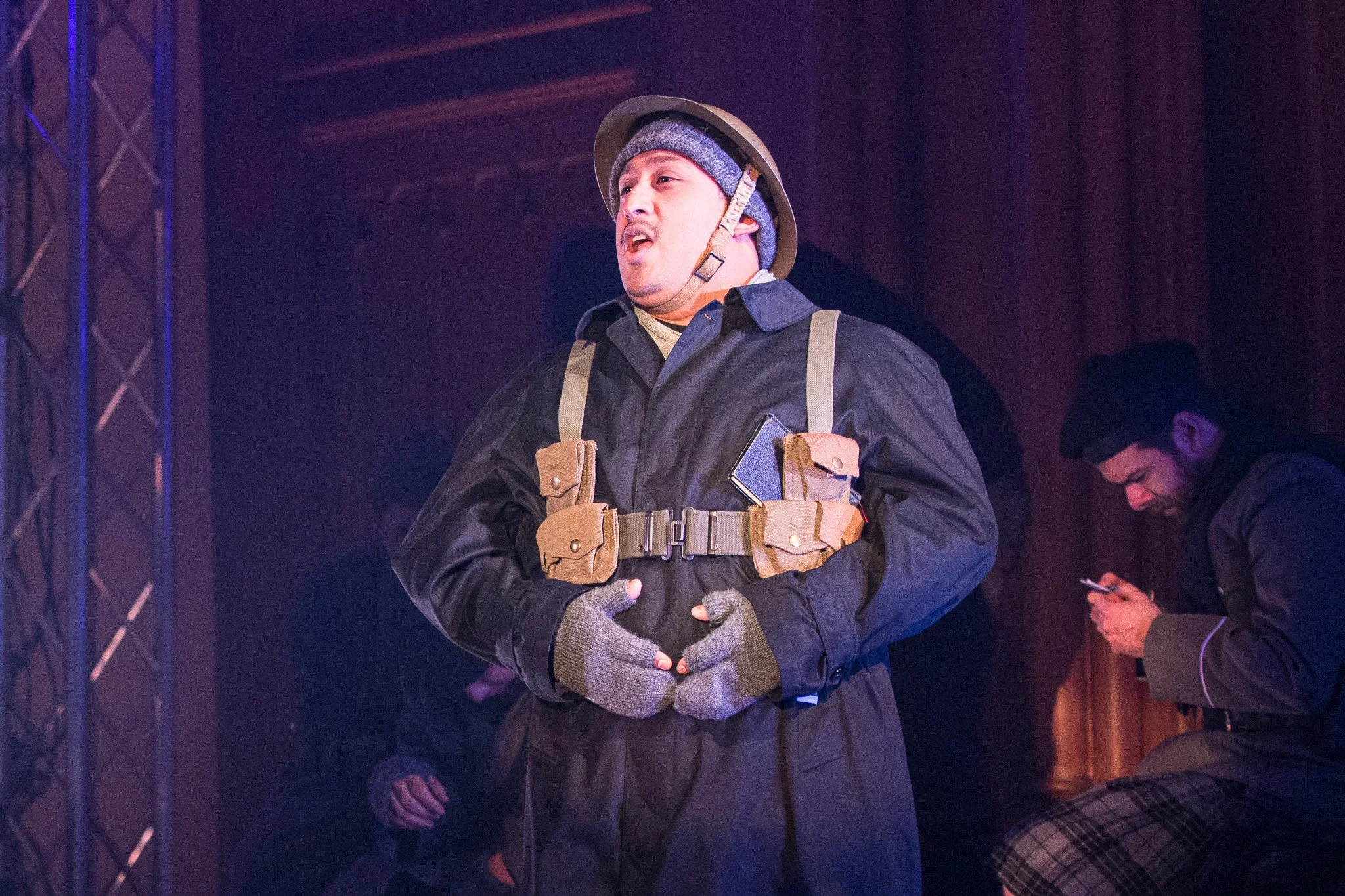
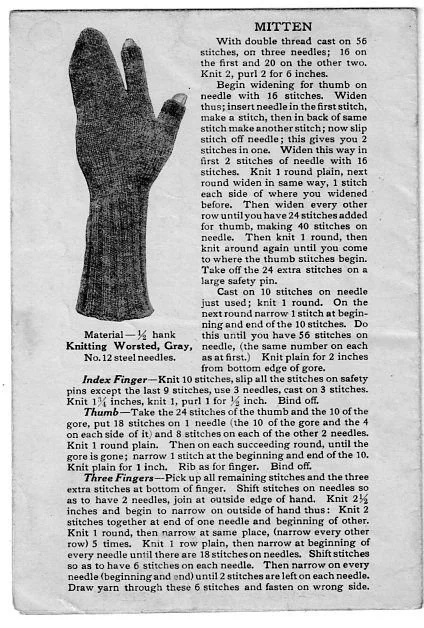
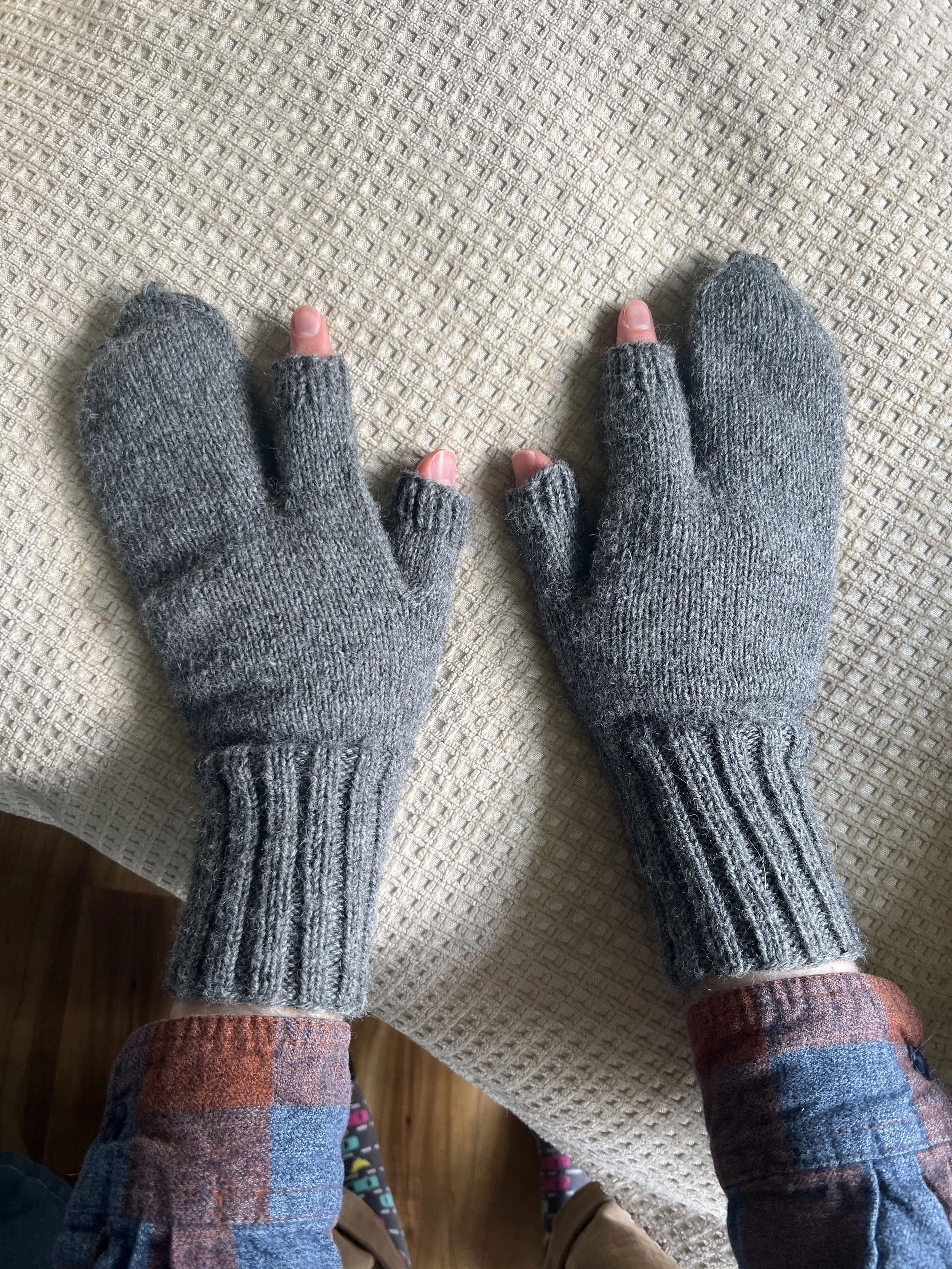
Because the Red Cross patterns were so widely distributed, it’s easy to find scans of them on sites like Pinterest today. However, as I quickly found out while trying to knit the rifleman’s mittens directly from the period pattern on the left, the techniques, sizing, and terminology don’t always translate to modern day. In the case of the gloves as seen worn by actor Tomás Dominguez below, I used a modern mitten pattern and adjusted it to separate a finger.
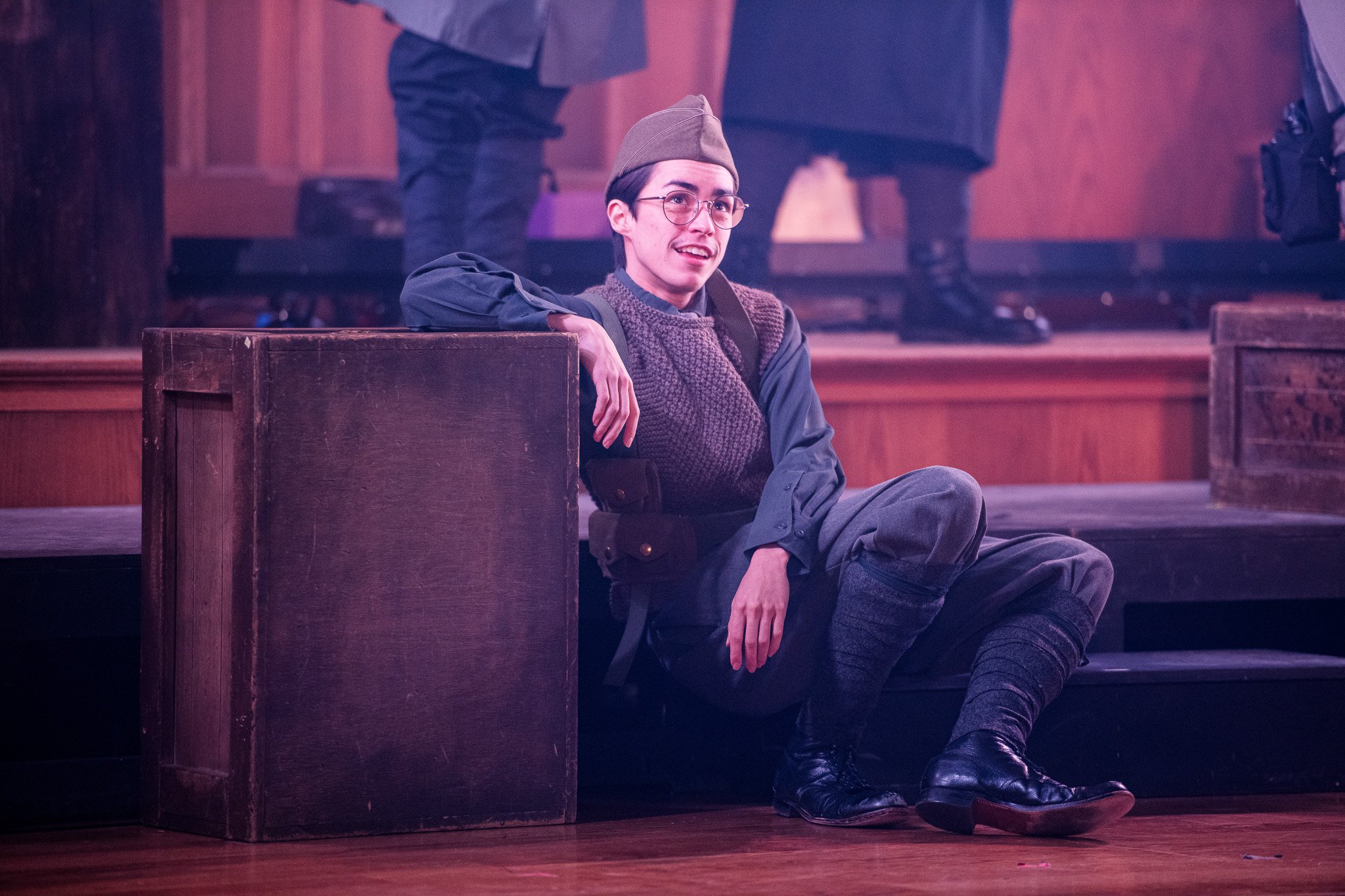
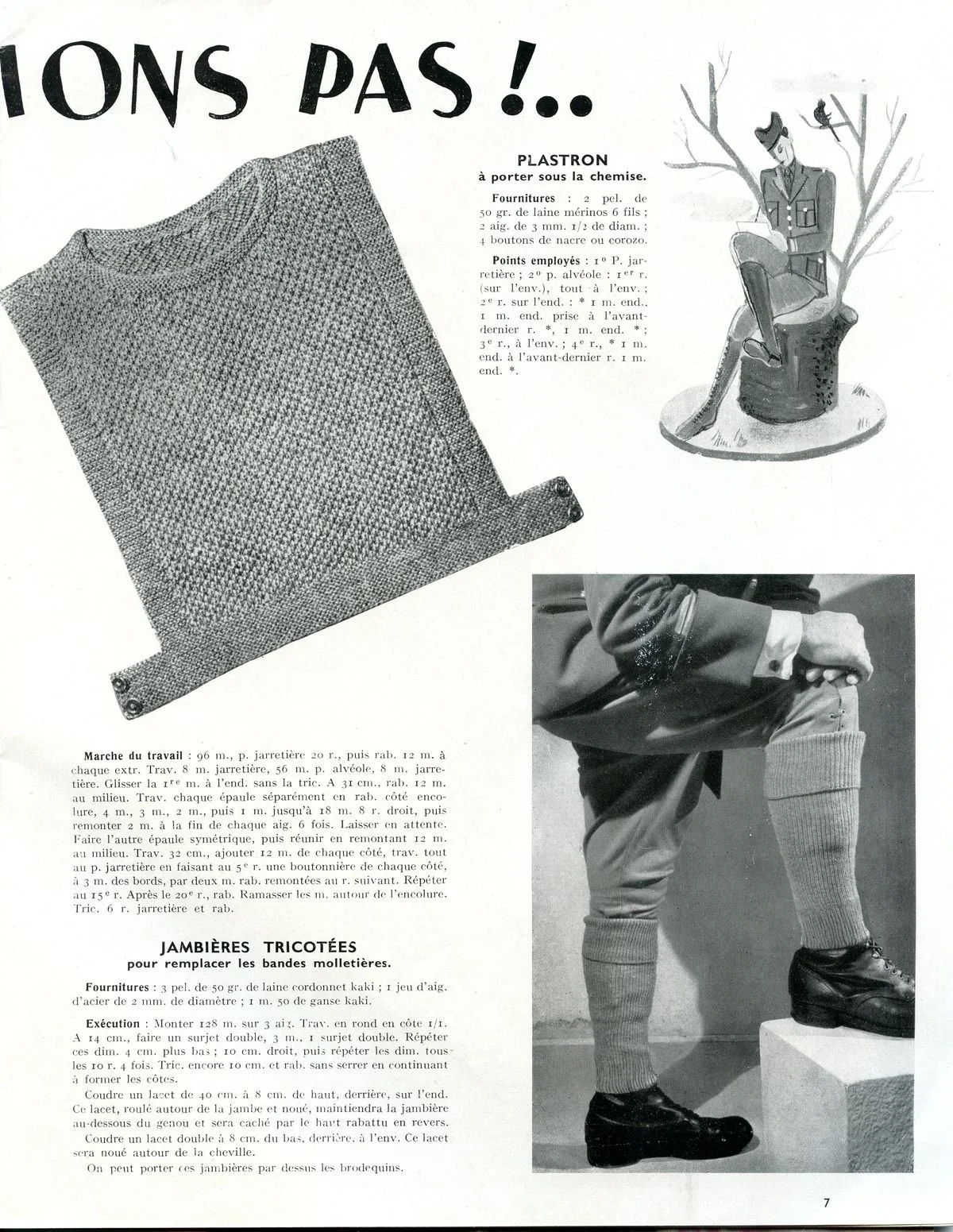
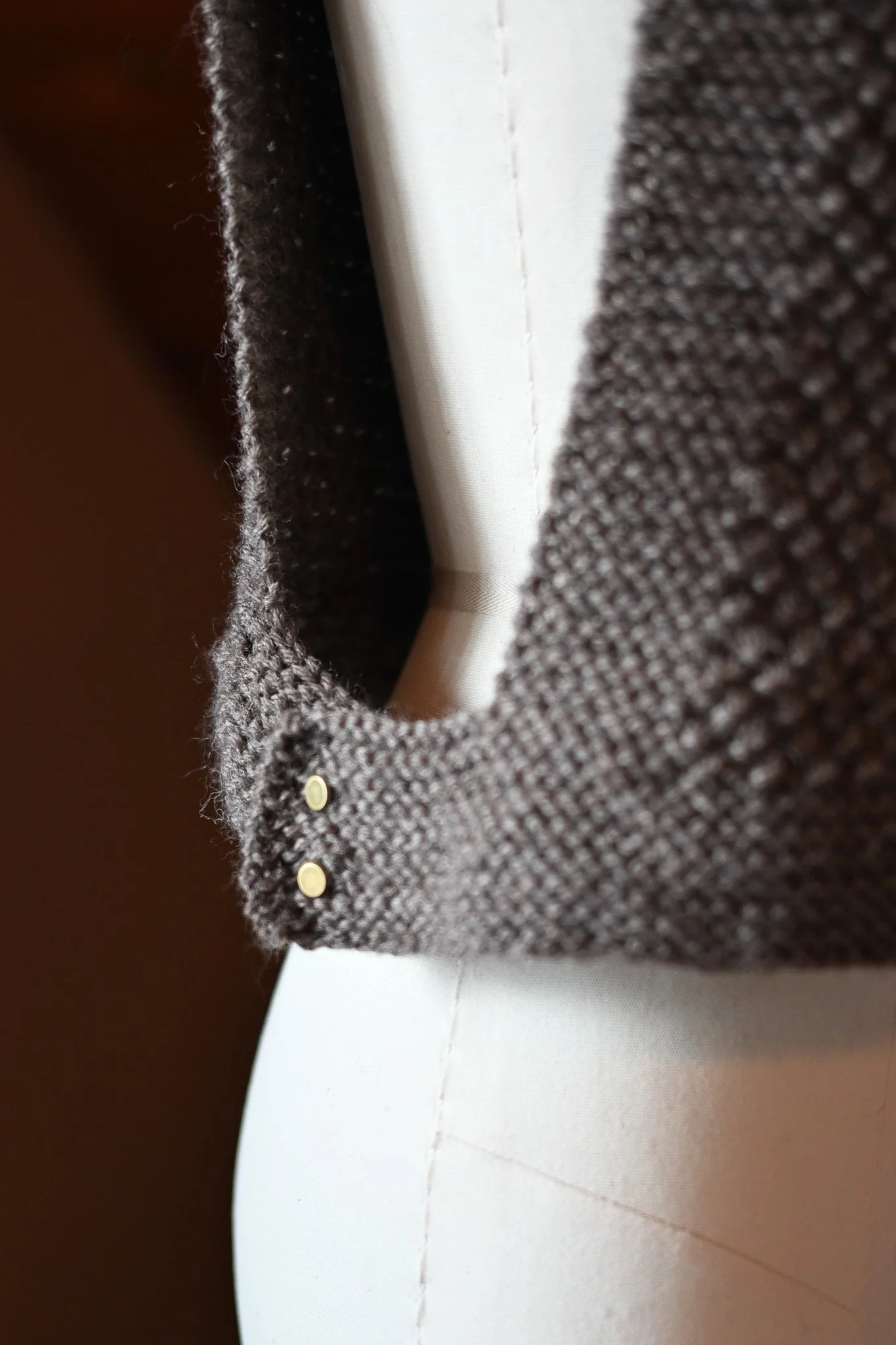
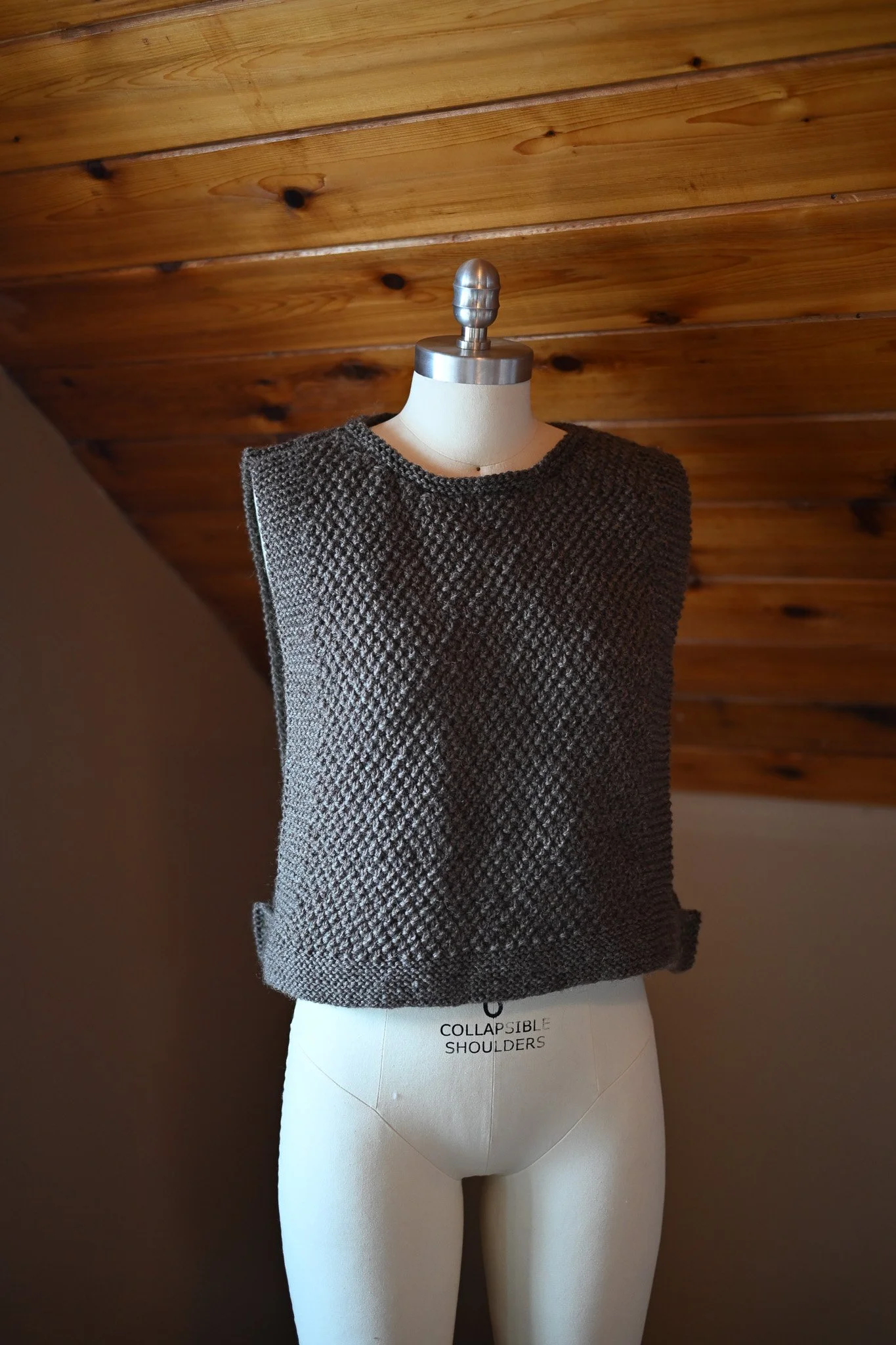
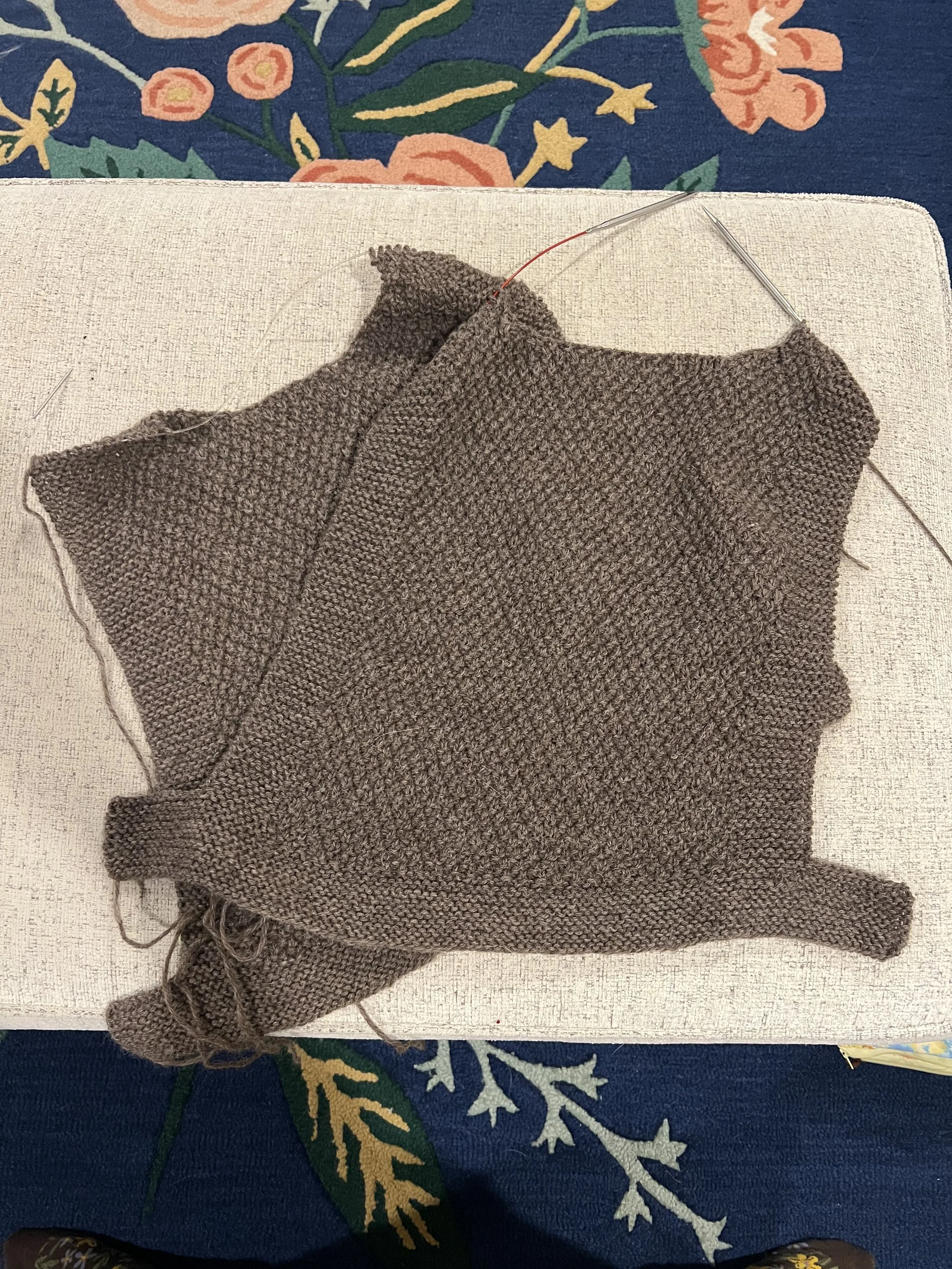
For the vest worn by actor Hugo Dums above, I started by loosely translating the WWII-era French pattern on the left and then drafted the rest of the pattern as I went. Instead of knitting the body in a honeycomb stitch as described in the original pattern, I opted for a double moss stitch, which resulted in a thinner fabric more appropriate for wear under stage lights. For the upcoming 2026 production, I am planning to knit another vest and write up a pattern in the process.
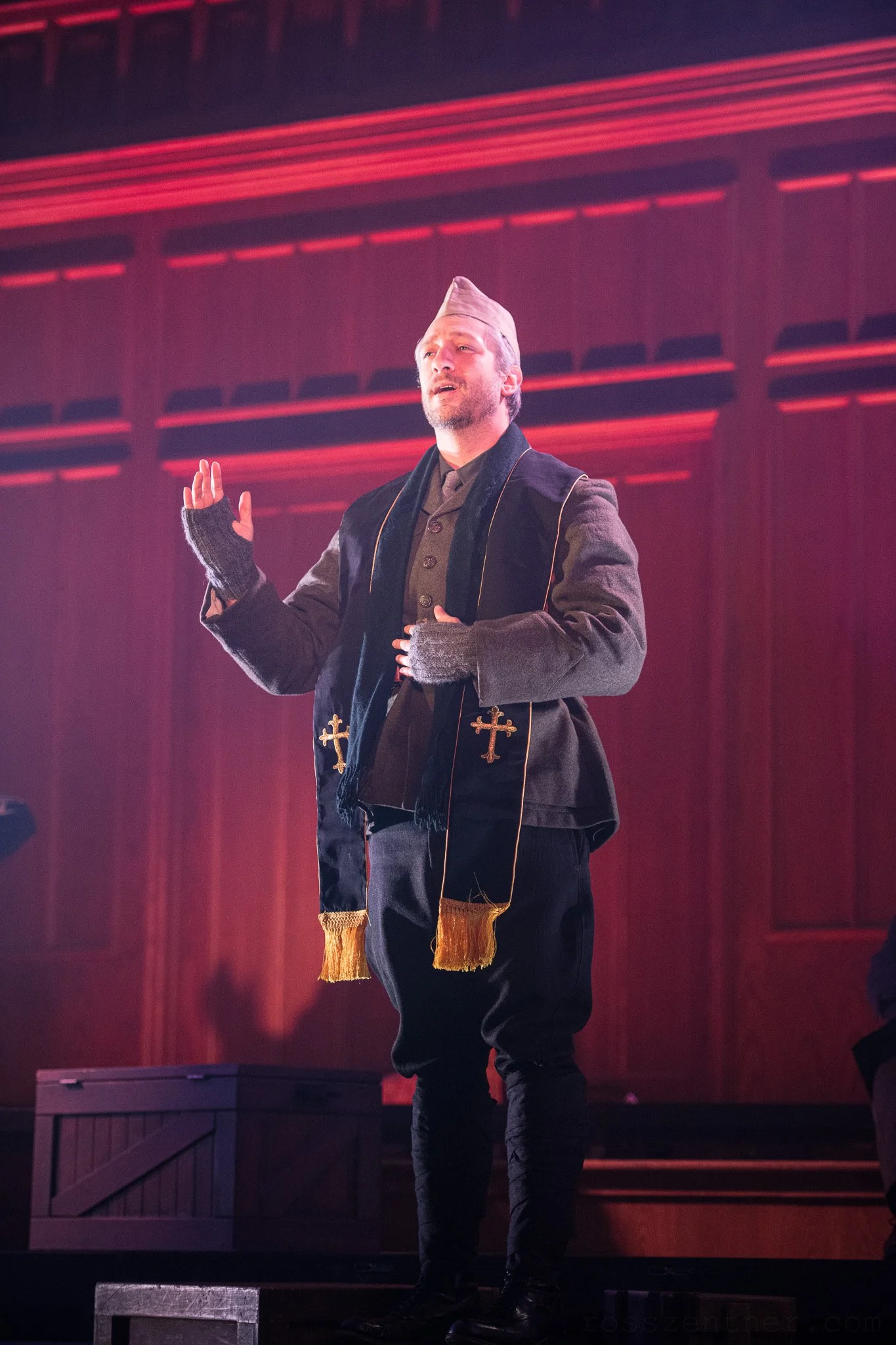
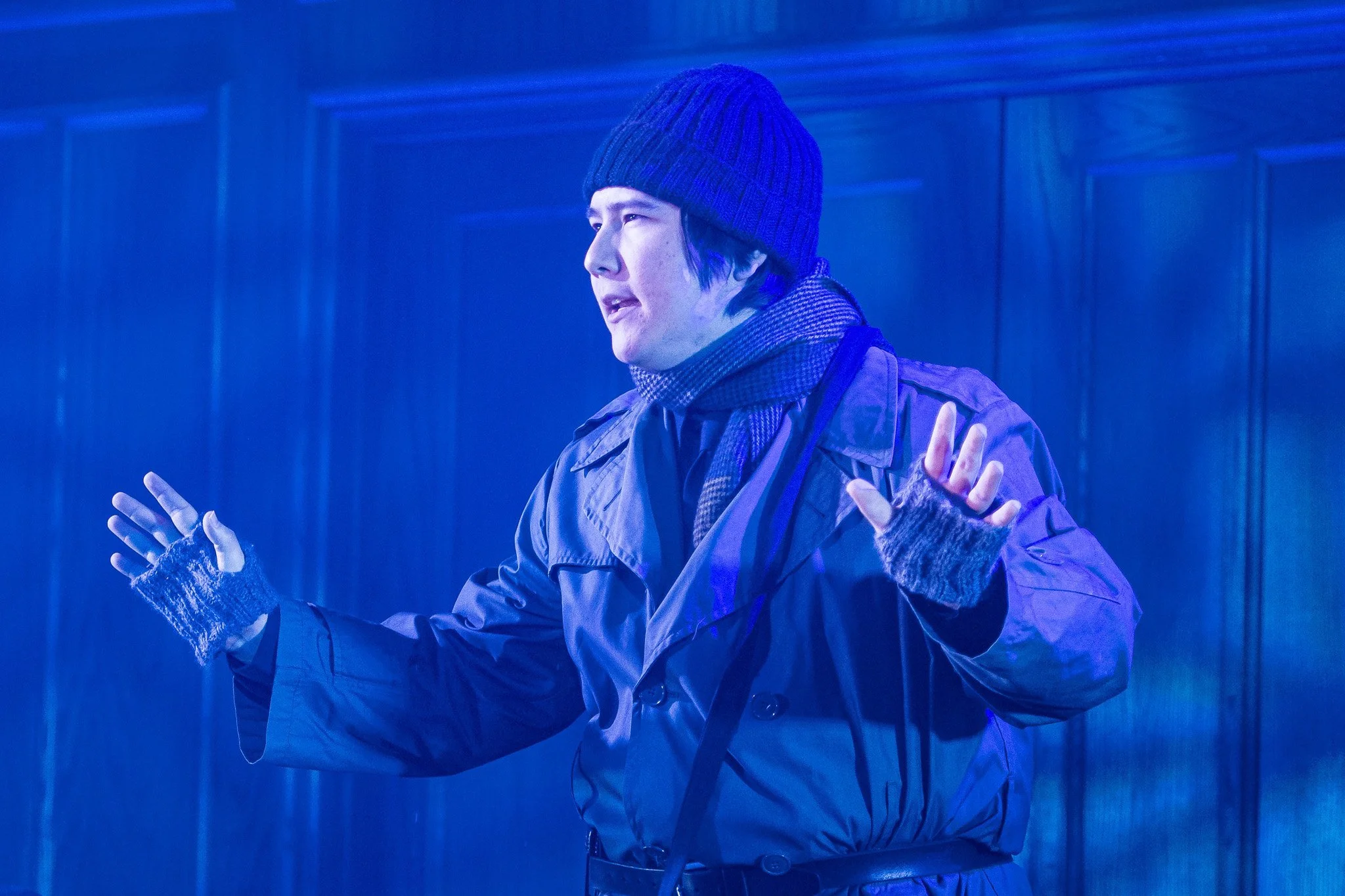
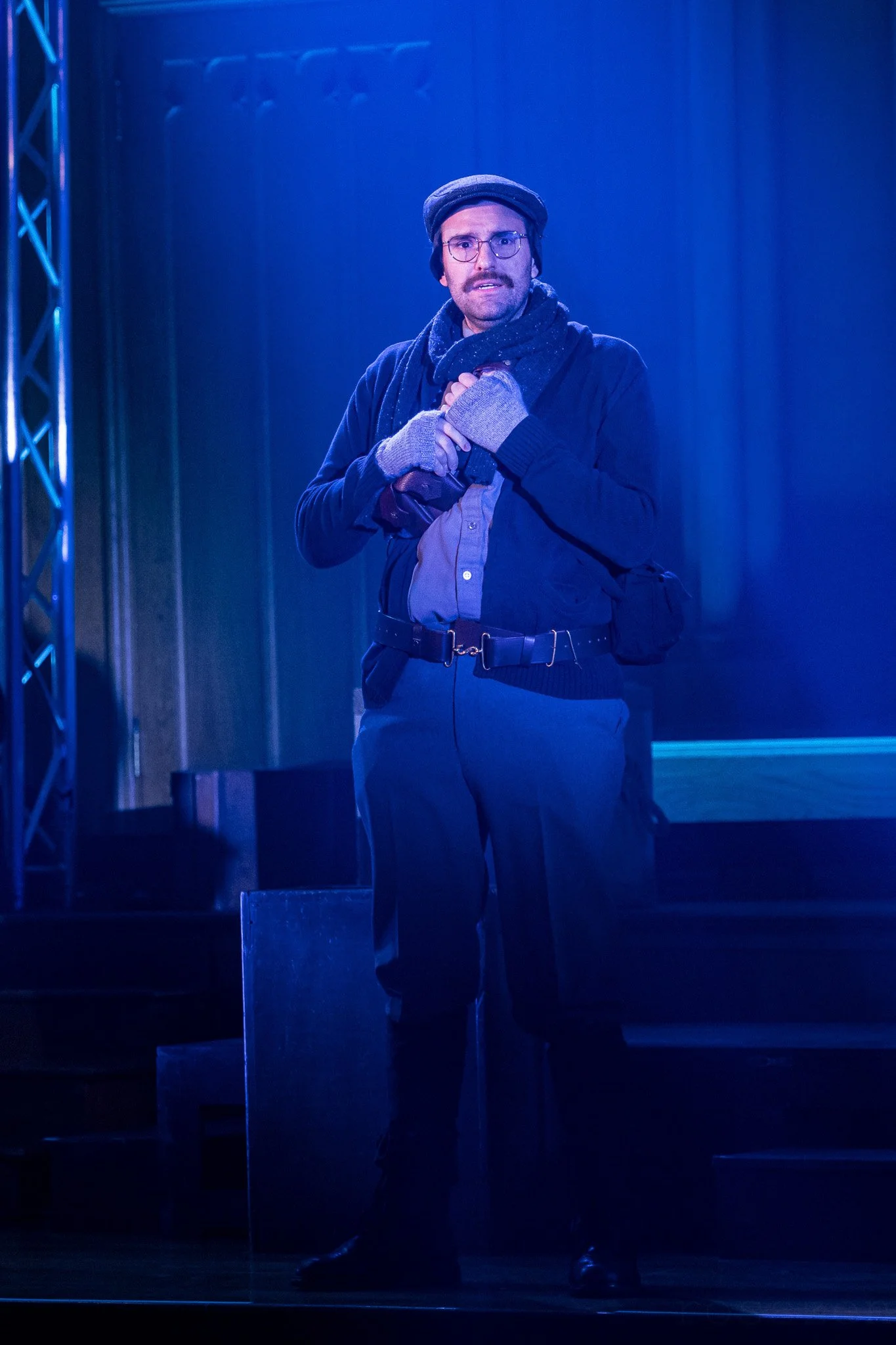
Featuring actors Hugo Dums, Tomás Dominguez, Seth K. Hale, Joe Pichetti, and Nicholas Lin.
Production photography by Ross Zentner
Additional photos of this costume design can be found in my portfolio here